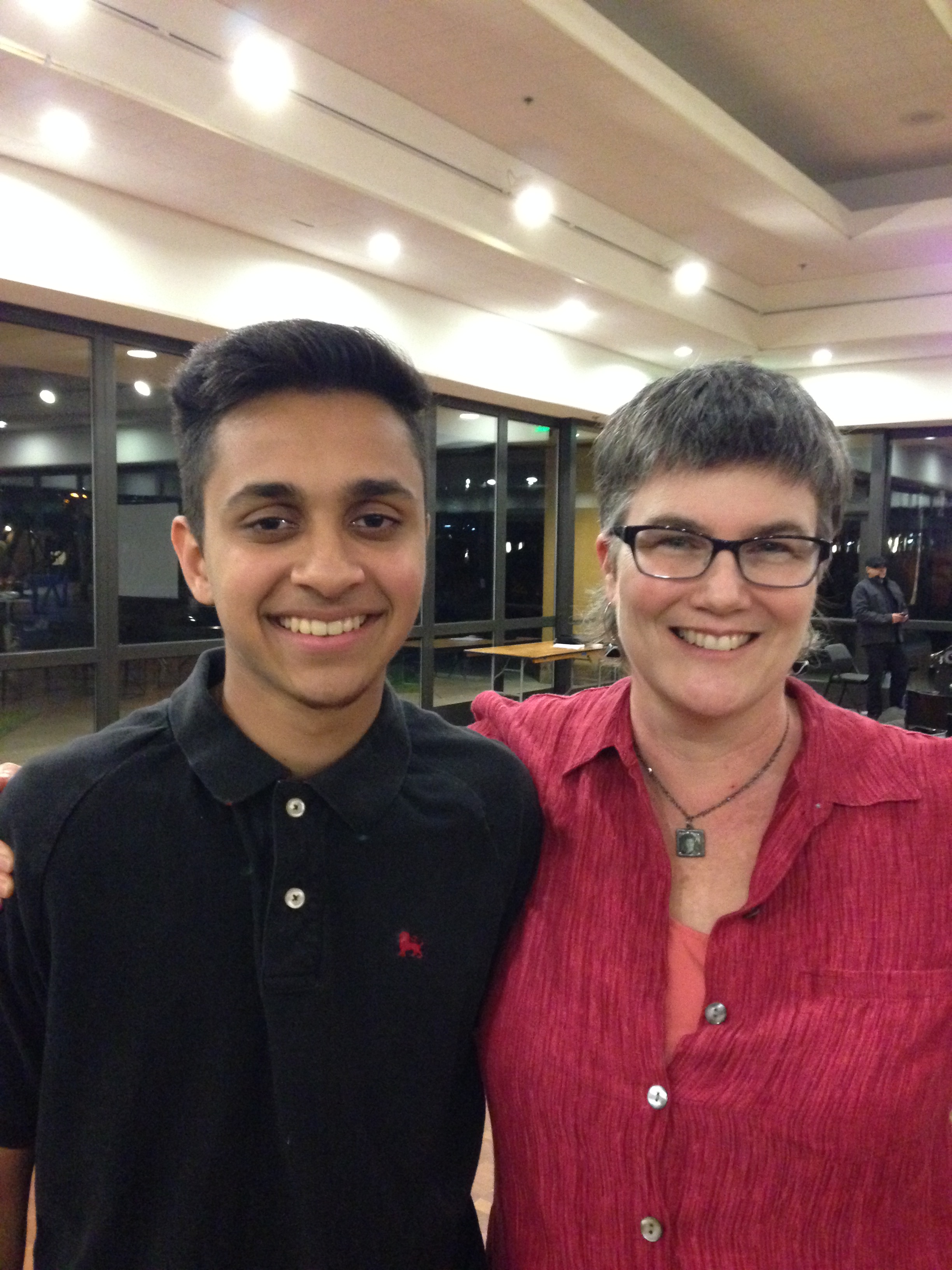
Poetry Workshop for Teens at Cupertino Library

Please join me and my friend David Perez, the current Santa Clara County PL, this Thursday evening at the Cupertino Library for a poetry workshop. Celebrate National Poetry Month with us!

I’ll warm up the crowd with a poetry warm up full of colors and David will run his part of the workshop in his inimitable way.

Bring a poem of your own, or come ready to write and hang out.

Register at the library website at this link. Hope to see you there!

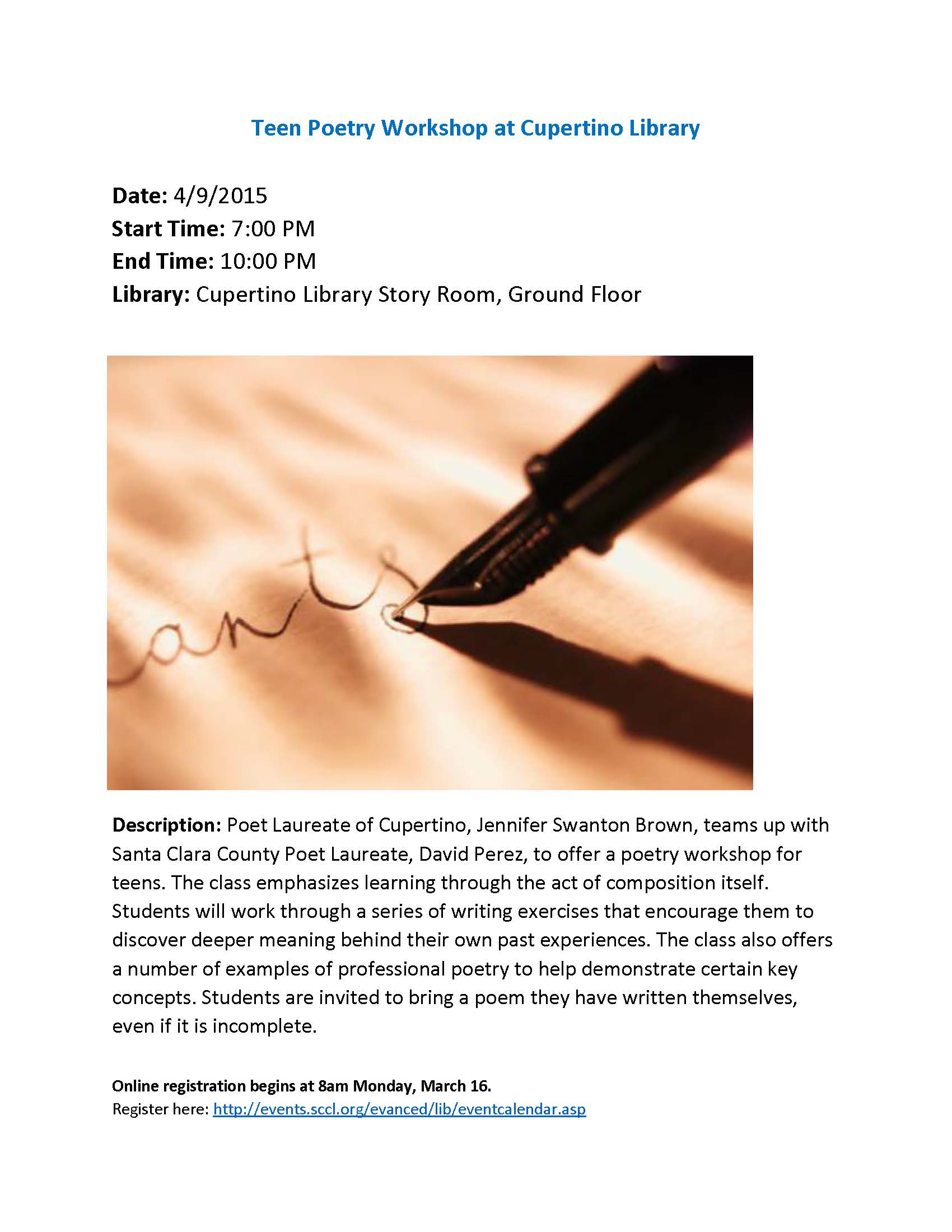
Teen Poetry Workshop at Cupertino Library

Tuesday Poem: two from Californian poets David Perez and Jennifer Swanton Brown

Circles within circles in the blogosphere — the below link redirects to my post on my personal blog, A Twirly Life, in which I thank Michelle Elvy for interviewing Erica Goss and discussing Media Poetry Studio on the hub blog Tuesday Poem, and for posting my poem, together with David Perez’s poem in her blog, Glow Worm.

Or, in bullets, for those of you who think visually, like me:

  • Thanks to Michelle Elvy for hosting an interview about Media Poetry Studio
  • I found two new cool blogs I will follow full of poetry (Glow Worm) and (Tuesday Poem)
  • Here’s a poem of mine for you to read.

Jennifer Swanton Brown's avatarJennifer Swanton Brown - A Twirly Life

Tuesday Poem: two from Californian poets David Perez and Jennifer Swanton Brown.

More on Media Poetry Studio, with a poem by David and one by me. Thanks so much to Michelle Elvy for featuring us on Tuesday Poem and on her blog, Glow Worm.

For some reason, my poem doesn’t show up with the correct line breaks, so I’m reproducing it here, too.

Playing Solitaire

Playing solitaire
at the coffee shop
with my cuppa
and a seasonal scone

reminds me of some poems

offers sociological
observational opportunities.

Feels good.

A voice nags Go home. G
et organized for the New
Year
.

Another voice rhymes should
with could, mumbling
someone is a would

and I’m late with the
pound bags of beans
.

But maybe not.

There is no urgency
on the faces
around me
at little tables
at conversation.

Maybe there is no
urgency at…

View original post 82 more words

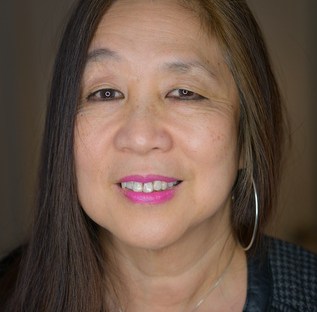
Marliyn Chin, “How I Got That Name”

To continue with poetry engaged with questions of race, I present to you Marilyn Chin, a wonderful poet, novelist, and voice for justice. She is the winner of the prestigious Anisfield-Wolf Book Award for Poetry, a national prize for literature that confronts racism and examines diversity, which includes Martin Luther King, Jr., Malcolm X, Alex Haley, Junot Díaz and Toni Morrison among its winners.

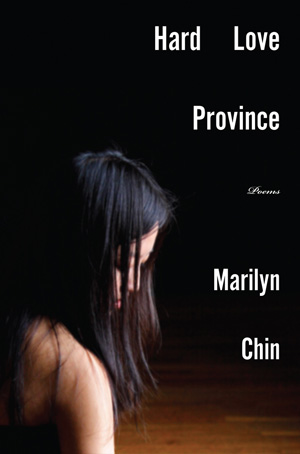
Chin was born in Hong Kong and raised in Portland, Oregon. Her books have become Asian American classics and are taught in classrooms internationally. Marilyn Chin has read her poetry at the Library of Congress. She was interviewed by Bill Moyers’ and featured in his PBS series The Language of Life and in PBS Poetry Everywhere. (I copied this stuff directly from her website. She has a gorgeous website. Her book covers are gorgeous.)

Hard Love Province 9_10.indd

I went looking for her work because I remember this poem, “How I Got That Name” from a class, or a listserve, or something in my past. Once you read this poem, you never forget it. You can read it at http://www.poets.org with her biography. You can also find her at the Poetry Foundation, with another of her amazing poems, the astounding (visually and auditory) “Brown Girl Manifesto (Too)” — that one you have to read out loud. Here’s one blogger’s analysis of it, and whether it’s racist against white people!

The poem I’m sharing today, “How I Got That Name” contains some playful, caustic, brutal, hysterical and terrifying imagery. For example:

History has turned its stomach
on a black polluted beach—
where life doesn’t hinge
on that red, red wheelbarrow,
but whether or not our new lover
in the final episode of “Santa Barbara”
will lean over a scented candle
and call us a “bitch.”
Oh God, where have we gone wrong?
We have no inner resources!

(Please note the reference to William Carlos William’s famous poem — a poem that describes a reality Chin doesn’t feel welcome to, welcome in…. I’m going along horrified, until I get to that last bit, “We have no inner resources!” — then I have to laugh out loud.)

And then this bit, where an Asian-American woman, writes with perfect seriousness:

She was neither black nor white,
neither cherished nor vanquished,
just another squatter in her own bamboo grove
minding her poetry—

You really have to read this poem several times to catch all the references.

In case these little snippets don’t tempt you to read further, here’s a line from “Brown Girl Manifesto (Too)” —

Succumb to the low-lying succubus     do!

Chin’s voice is wide-ranging, rhythmic, musical, self-deprecating, funny, exploratory and absolutely poke-you-with-a-stick unforgiving. I hope you like it as much as I do.

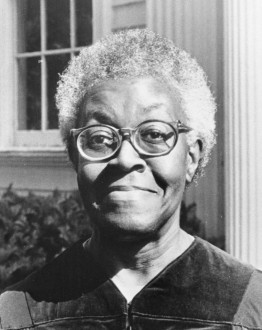
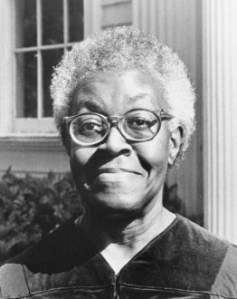
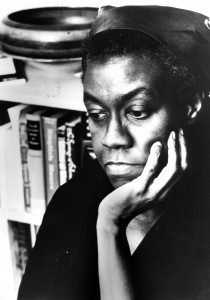
Gwendolyn Brooks: “The Lovers of the Poor”

Oh my. Oh my — slap in the face — goodness.

I went looking for an Easter poem, hoping to find one that also discusses race. This poem, “The Lovers of the Poor,” which is presented in all it’s terrible glory on the Poetry Foundation website, is such a poem. You can read it there, and also hear it read — I hope by the poet, although I am not sure. Listening to the poem, recited at a fast clip, is magical — the poem is full of rhythm and sounds that surge with a forward momentum, with words I don’t recognize and some made up, I expect. I had to read the poem several times through before I could catch all the meanings, the details, the depths.

I can’t possible explain the poem as well as the poem itself explains itself. So, please read it, or listen to it being read. Then notice details, such as these:

The pink paint on the innocence of fear; 

(What an amazing way to describe the faces of white women visiting the black neighborhood)
brooks25

Their guild is giving money to the poor.
The worthy poor. The very very worthy
And beautiful poor. Perhaps just not too swarthy?
perhaps just not too dirty nor too dim
Nor—passionate. In truth, what they could wish
Is—something less than derelict or dull.
Not staunch enough to stab, though, gaze for gaze!
God shield them sharply from the beggar-bold!
The noxious needy ones whose battle’s bald
Nonetheless for being voiceless, hits one down.

(God protect the white women from the passion of the poor! The sounds in this section pound and gouge like clubs or knives…)
Brooks_Gwendolyn-210x300

They …
Buy the right books in the best bindings; saunter
On Michigan, Easter mornings, in sun or wind.
Oh Squalor! This sick four-story hulk, this fibre
With fissures everywhere! Why, what are bringings
Of loathe-love largesse? What shall peril hungers
So old old, what shall flatter the desolate?
Tin can, blocked fire escape and chitterling
And swaggering seeking youth and the puzzled wreckage
Of the middle passage, and urine and stale shames
And, again, the porridges of the underslung
And children children children. Heavens! That
Was a rat, surely, off there, in the shadows? Long
And long-tailed? Gray? The Ladies from the Ladies’
Betterment League agree it will be better
To achieve the outer air that rights and steadies,
To hie to a house that does not holler, to ring
Bells elsetime, better presently to cater
To no more Possibilities, to get
Away. Perhaps the money can be posted.

(What happens to you when you see the word saunter followed so closely by squalor — and then swagger and then shadows … ?)

I had to think a long time before I understood the term “loathe-love largesse” — I think Brooks is describing the hate behind the faux love that presents itself as generosity — how the women who come to the slums love to feel their generosity, but hate the people (dirt, rats, noise, passion) they must be generous towards. What a beautiful sonorous name for something so ugly.

The mastery of language is amazing and humbling to me. The content of the poem slaps me in the face. I am ashamed of the times I’ve been afraid, and even more ashamed to remember how I hoped that my fear might not have been noticed.


Photos from Persian New Year Event

Wow. I took a chance on this event and tried something I hadn’t done before. But it was such a delightful experience and I’m so happy we went for it.

On Wednesday, March 25, we gathered in the delightful and perfectly-sized back banquet room of Village Falafel after work. We ordered food and wine, which lent a great relaxed feeling to the evening. There were about 15 of us, including two members of the Library Commission and the Mayor of Cupertino, Rod Sinks, and his wife! (Full disclosure — I’ve known Rod and Britta for many years, our children having gone to the same schools, swum at the same club, etc.). Joy of joys, there were also four people who had never attended a CupPL event before, three of whom saw our flier in the library and one who read about us in the Courier. Joy of joys, new poetry lovers in Cupertino.

To my utter delight, a lady came who studied languages and culture in Iran years ago, and she brought with her some poems by Rumi in Farsi, which she read to us, together with her own translations. It was thrilling to hear the meter of the ghazals, and to hear the repeated words at the end of each couplet, even though I didn’t understand the words. She performed with real gusto.

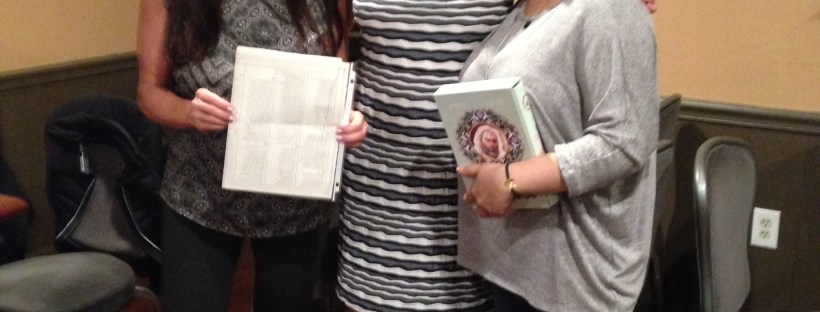
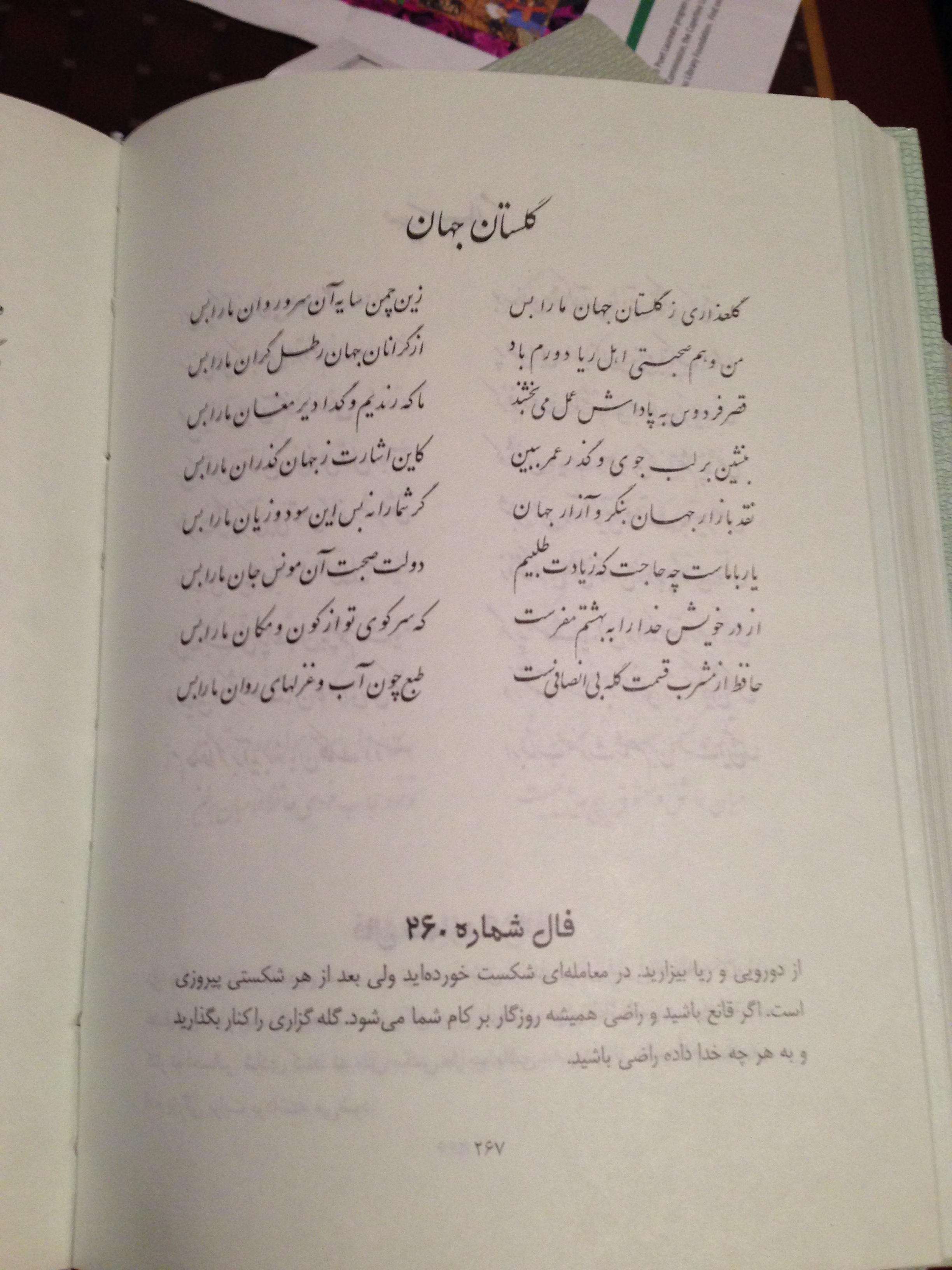
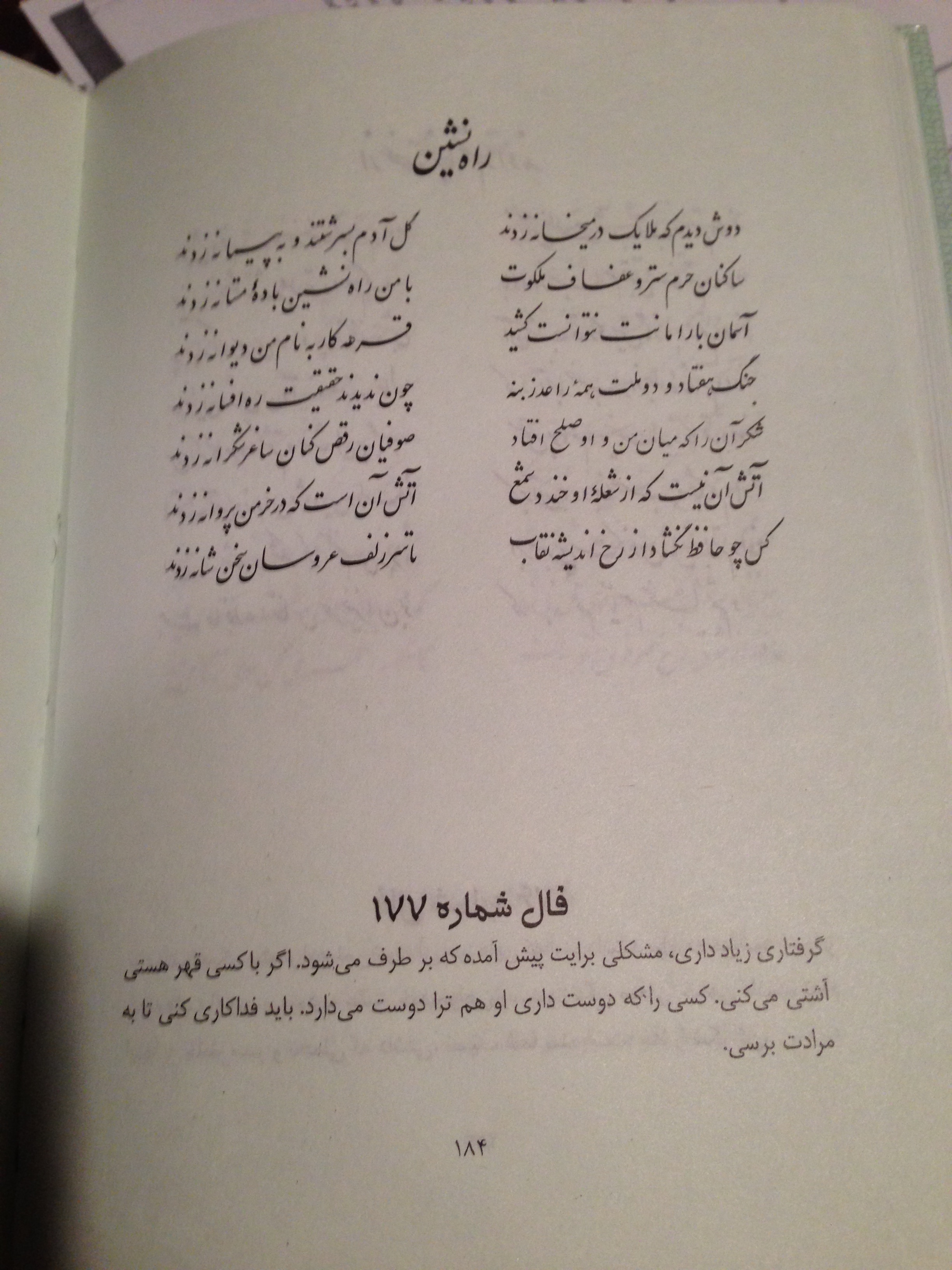
And even better, if possible, was the presence of three women, Iranian natives: two residents of Cupertino and their visitor from Iran. They brought their Hafez, in a bright blue and gold book, and also read in Farsi, several of the poems for which I had brought in English translations. It was so moving for all of us, to hear the poems in their original melodic language, then to read two different English translations and to all discuss together what we thought and felt. They spoke about how important Hafez was in Iran, and I was envious of the reverence the people still feel there for ancient poetry.

Hafez Roses

This is the poem Robert Bly translated as “One Rose is Enough” — the first line is translated by Dick Davis as “Of all the roses in the world.”

The photo above shows me with my Rumi reader on the left and my Hafez reader on the right. The other two photos I took from the book of Hafez’s poems my guest brought. They are the same poems I had translations of.

Hafez Angels

Bly titled this poem as “The Angels at the Tavern Door” (also the name of his book of Hafez translations). The first line, as translated by Davis, is “Last night I saw the angels.”

We talked about a lot of things that evening. About God, religion, spirit. About spring and nature. About love. About wine and food and the place poetry has in our homes. And we talked about Iran, both historically and today, while the world waits with baited breath to hear of possible movement toward diplomatic relations between the US and that great and complex country. I am so happy to say, it was a perfect evening of poetry and companionship for me, and I hope for my guests.

Langston Hughes, “Dream Variations”

I have stated my desire to celebrate National Poetry Month by seeking and sharing poems about race. I love Langston Hughes’ work, but I think my reasons for sharing the poem I did on April 1 were more about my affinity for his youthful yearnings than about my promoting his poetry of race. To correct that, I offer today, his lyric of black and white, “Dream Variations.” Thank you to The Academy of American Poets.

Dream Variations

Langston Hughes, 19021967
To fling my arms wide
In some place of the sun,
To whirl and to dance
Till the white day is done.
Then rest at cool evening
Beneath a tall tree
While night comes on gently,
    Dark like me—
That is my dream!

To fling my arms wide
In the face of the sun,
Dance!  Whirl!  Whirl!
Till the quick day is done.
Rest at pale evening . . .
A tall, slim tree . . .
Night coming tenderly
    Black like me.

I can’t help but notice the movement in this poem, the whirling and dancing, which of course, reminds me of my own work, Twirlyword.

The image above is a collage by Susan Anthony. I adore her work.

Starting Off Poetry Month By Talking About Race

There’s been a lot of chatter in my poetry networks lately about what obligations white poets have to talk and write about race.

Reginald Dwayne Betts started it off with this article “What It Is,” and his now infamous line, “Don’t write about being white,” which is a quote by Louis Simpson discussing Gwendolyn Brooks’s Selected Poems in 1963. You can imagine the kerfuffle. Sadly, a lot of people read the headlines, but not so many read the article.

  • This story “Should White Writers Write About Race” is a thoughtful response and expansion by Holly Karapetkova.
  • This article is Reginald’s response to the kerfluffle he started, and an explanation of the irony he sees and hears in many of the comments he’s read.

Both are worth your time, no matter what color your skin, no matter what race you identify with. Any amount of conversation on this topic is a good thing.

I’m a white woman. I live in a town where more people don’t look like me than do, which is not the case in most of the US. These are facts, but we may have opinions about them, too. I’m inviting my own version of a conversation about race with my 2015 International Poetry Cantos project, which is going to be as successful as it’s going to be, or not, but will be my best effort to reflect some of the cultures I see around me in my town.

This year for Poetry Month I’m going to search out poems about race, by white folks and poets of color, written about experiences in America. It will be an interesting — and I hope fun — project, even though I expect many of the poems won’t be pretty or nice, as they can’t possibly be if they are honest.

I’d like to start today with “Dillusion” by Langston Hughes, the first poem Knopf chose to send out for it’s annual “Poem A Day” project.  Read what Knopf’s Borzoi Reader has to say about the poem, and the accompanying letter that Hughes wrote in 1926, having dropped out of Columbia University which he found “generally unfriendly.”  I think there is something heartbreaking about the lines “Be kind to me, / Oh, great dark city.” I remember being alone in a big city in my twenties, wondering about poetry, sex, love, work, acceptance. We are often disillusioned in our early youth, as we notice our ideals not matching reality. In this poem, Hughes seems to know his city intimately and to know that it can hurt him. I wonder what won’t come again — youth, optimism, faith?

Disillusion

I would be simple again,
Simple and clean
Like the earth,
Like the rain,
Nor ever know,
Dark Harlem,
The wild laughter
Of your mirth
Nor the salt tears
Of your pain.
Be kind to me,
Oh, great dark city.
Let me forget.
I will not come
To you again.


My Adventures with Poetry Out Loud

I had the honor to serve at the judges table for the State Championships for POL again this year. Click through here to read about my adventures.

POL 7

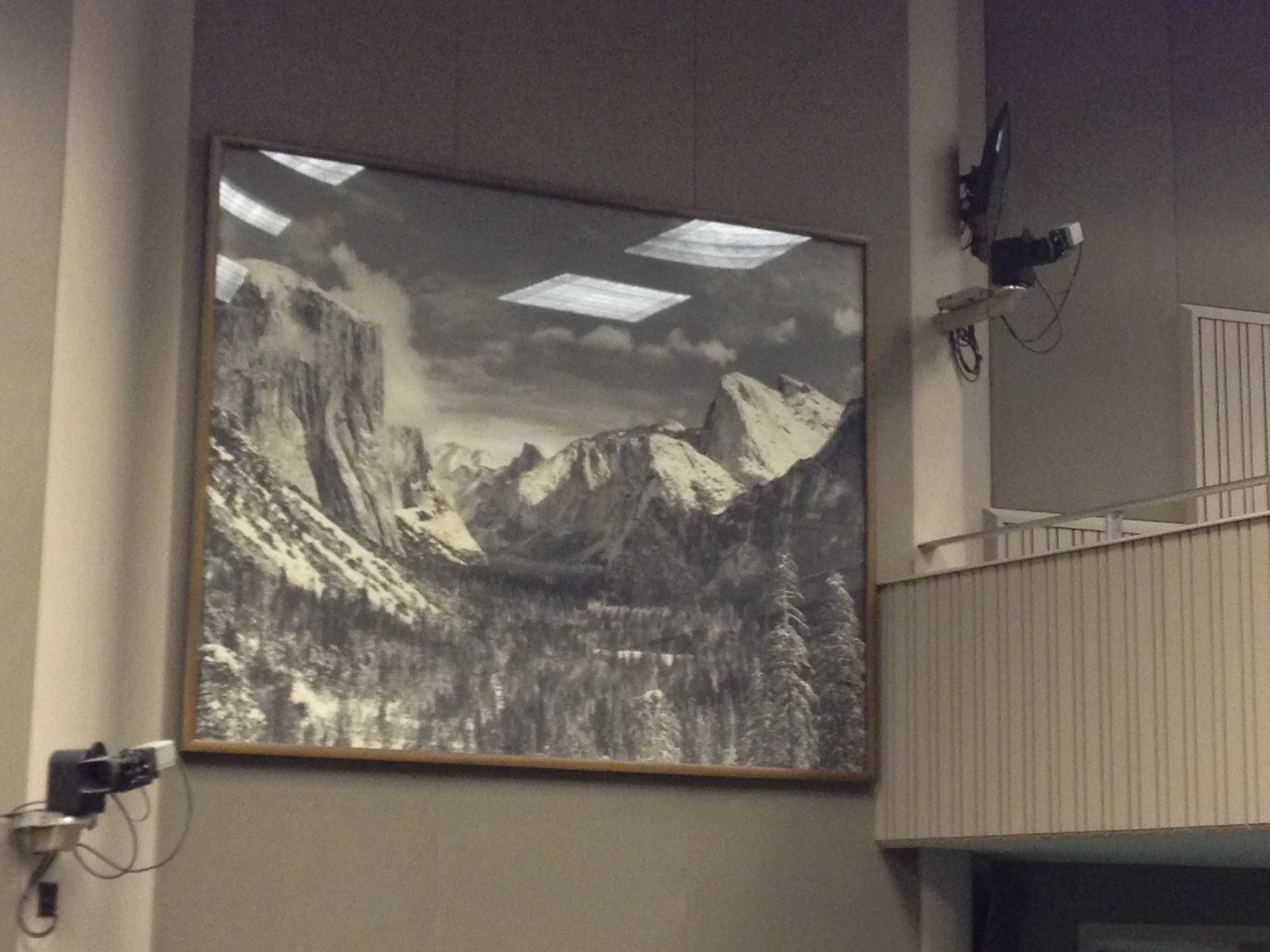
There were some great old huge photos on the wall of the chamber where we had the finals.

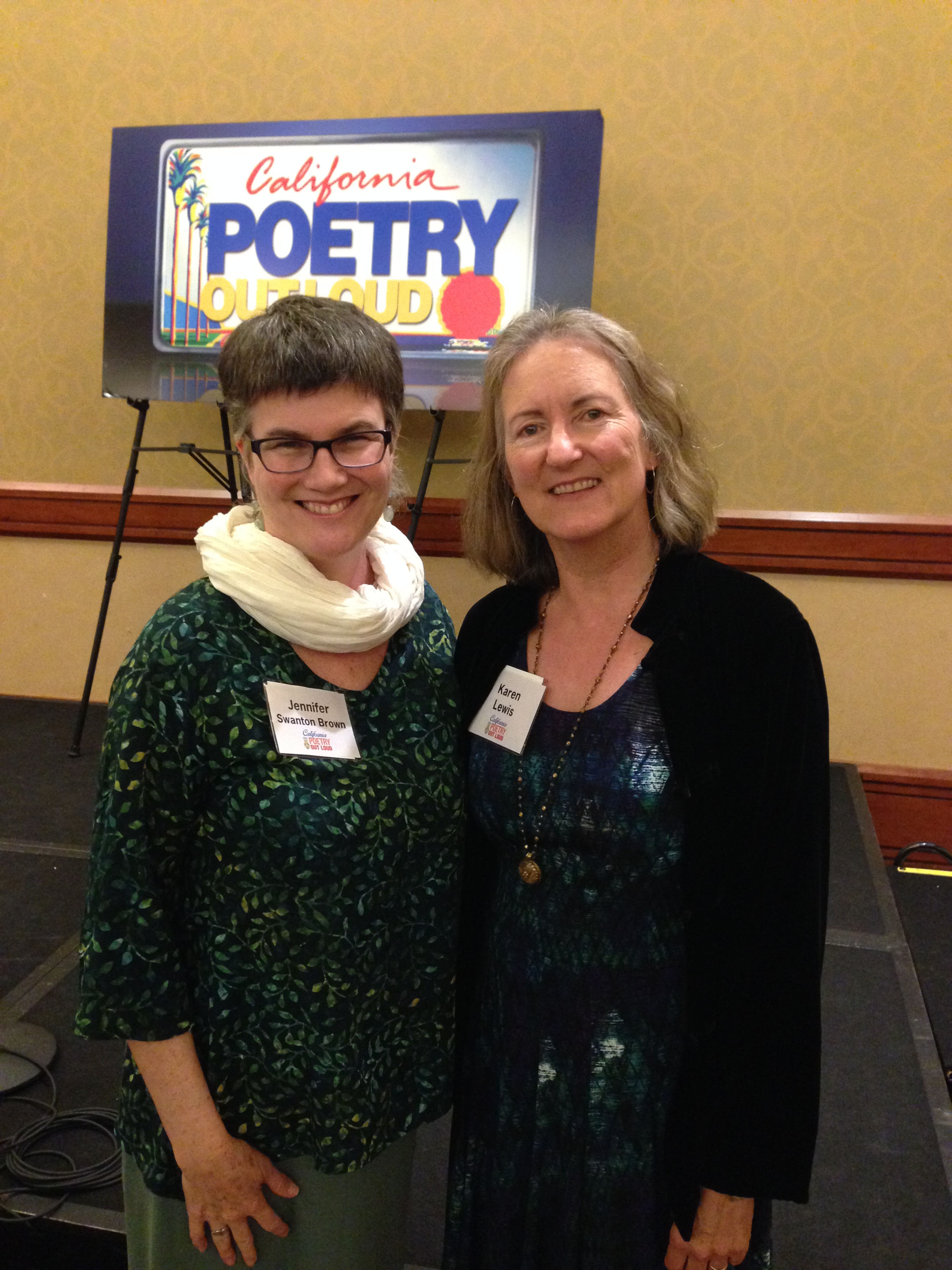
POL 8 jen and karen

Karen Lewis, poet-teacher and past board member from California Poets in the Schools, and me taking a moment away from judging.

Discovery Day 2105

I love Discovery Day. Other schools call it Career Day, or the like, but at Regnart Elementary School in Cupertino, they call it Discovery Day. I first started talking to Regnart students about my life as a poet when my own kids were there. This past month, I had the special privilege of not only talking about being a poet and a poetry teacher, but of explaining what a poet laureate is.

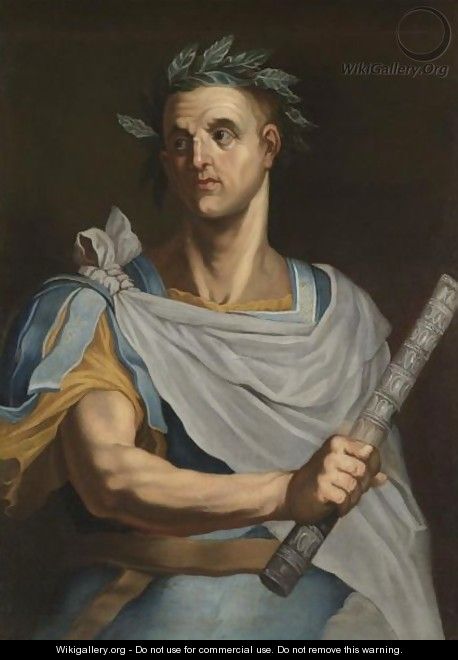
julius ceasar with laurel wreath

roman with wreathe

Fortunately, third and fourth graders usually have been introduced to images of Greeks and Romans in togas, with laurel wreathes on their heads. That helps them understand that a laureate is a person recognized for her wisdom or status in a particular field.

al young with laurel wreathe

Former California Poet Laureate, Al Young, with his laurel wreath.

Of course, I explain, I’m not really not the most famous or wisest poet around, and the PL status I enjoy is only loaned to me by the city. But they understand that it’s my job to teach about poetry in Cupertino, and several of them remembered seeing me with my magnetic poetry at the Library Anniversary last October.

This year I had a great time, as always, and I talked to the kids about how the Chamber of Commerce had asked me to write a poem for the Lunar New Year. Many kids recalled that we just celebrated the Year of the Ram, Goat, or Sheep, and in each class there was a child who spoke the one word in Chinese that could be translated into any one of these animal words in English. I shared with them my Lunar New Year sestina.

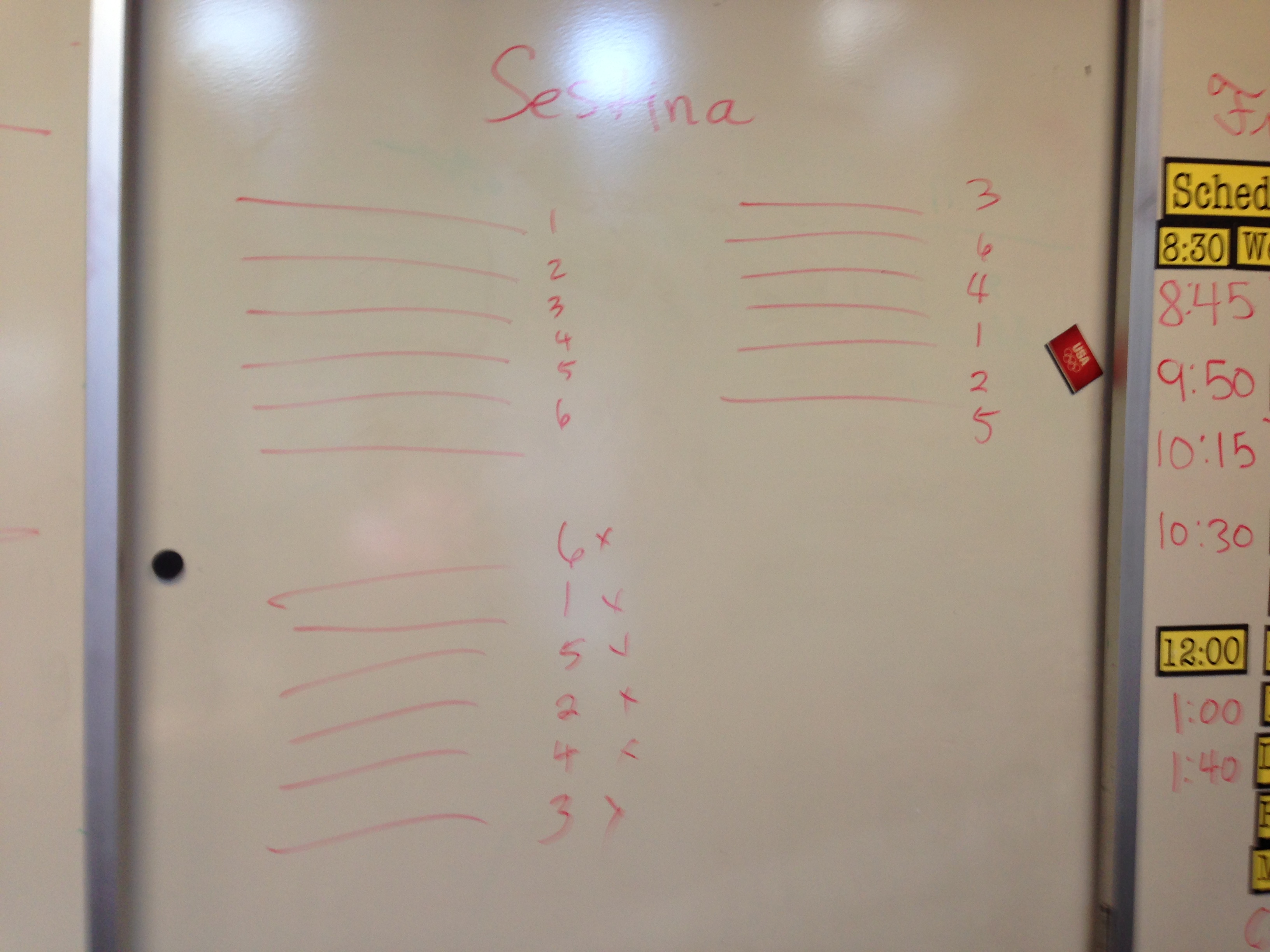
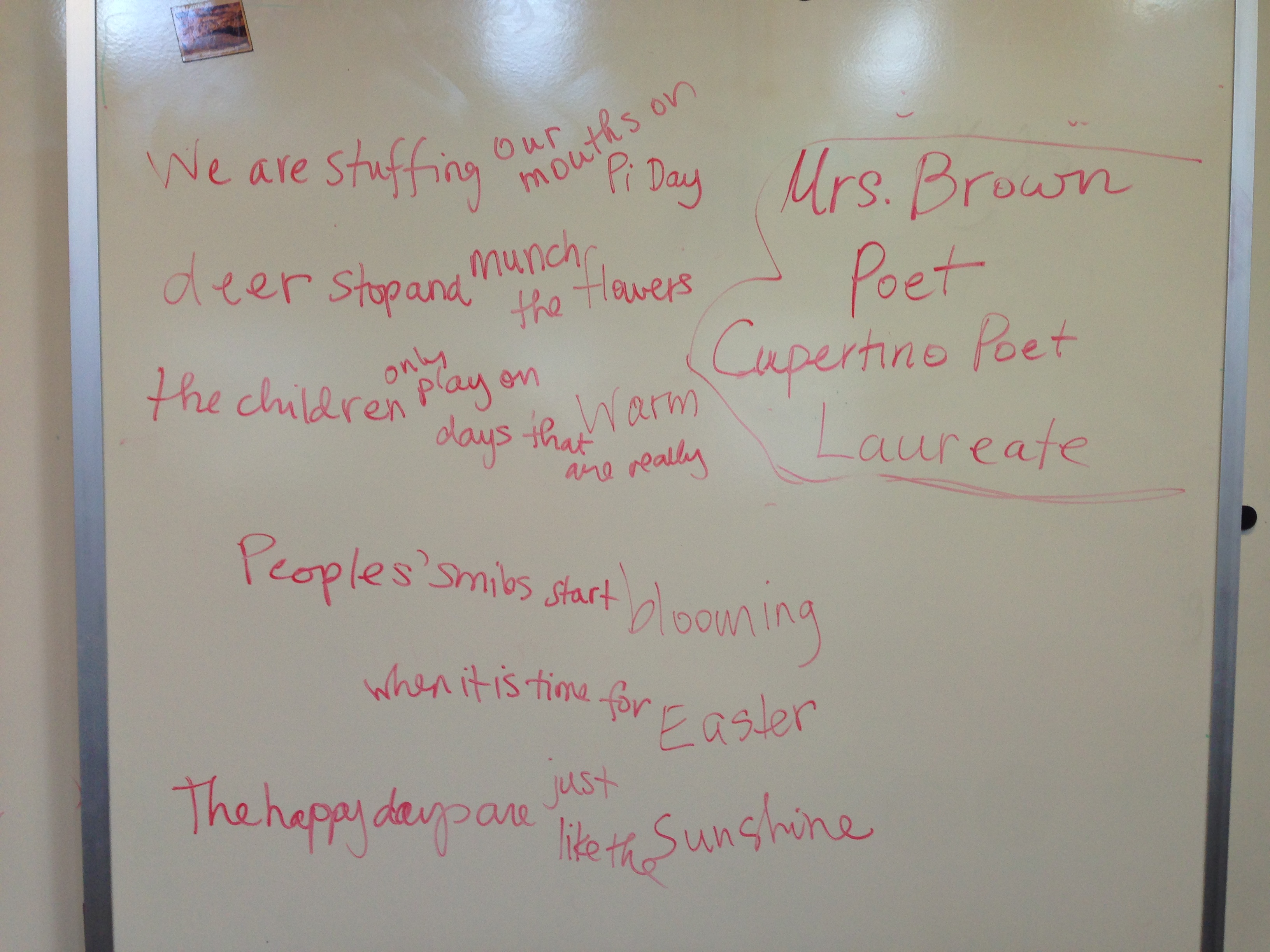
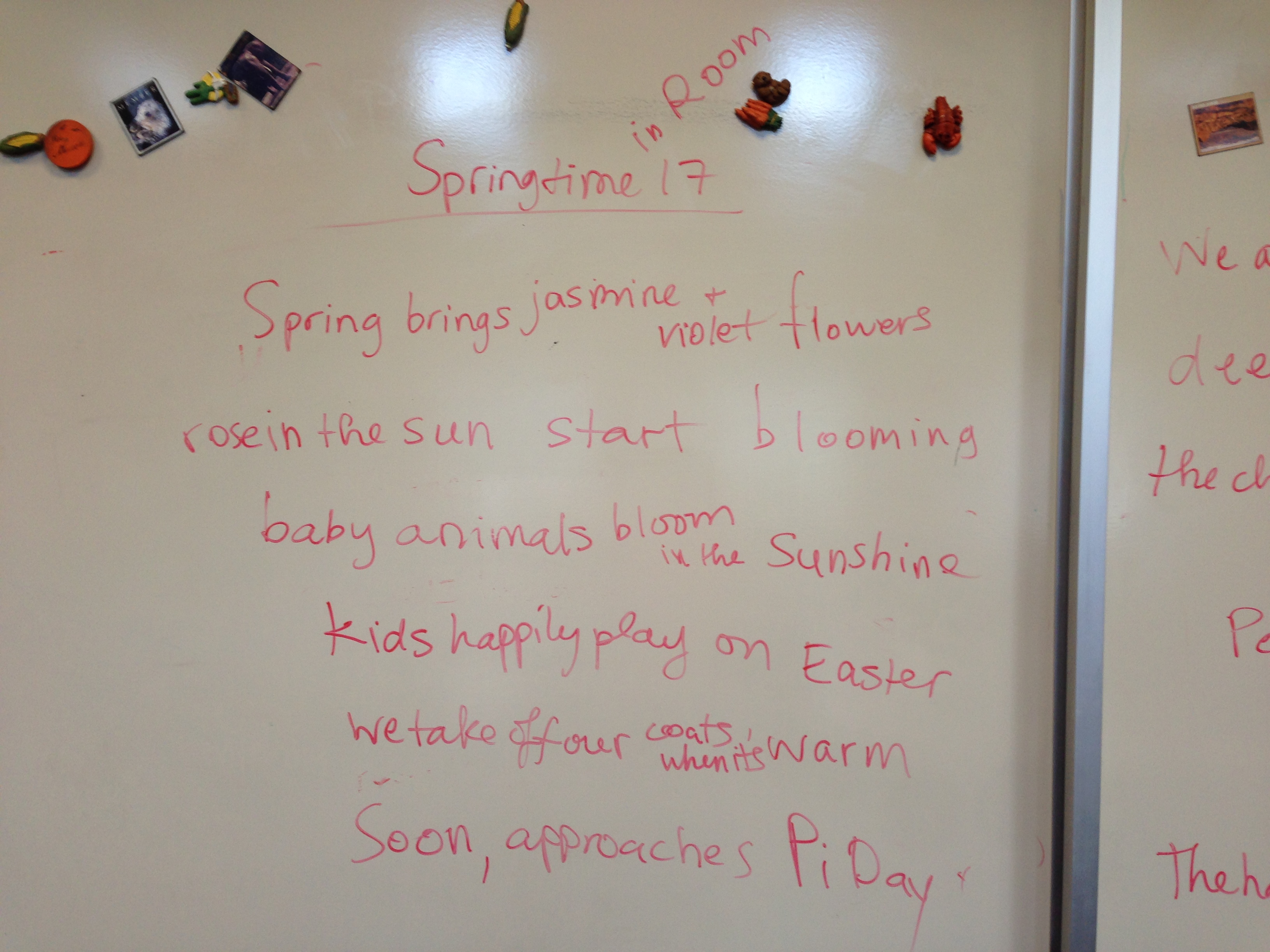
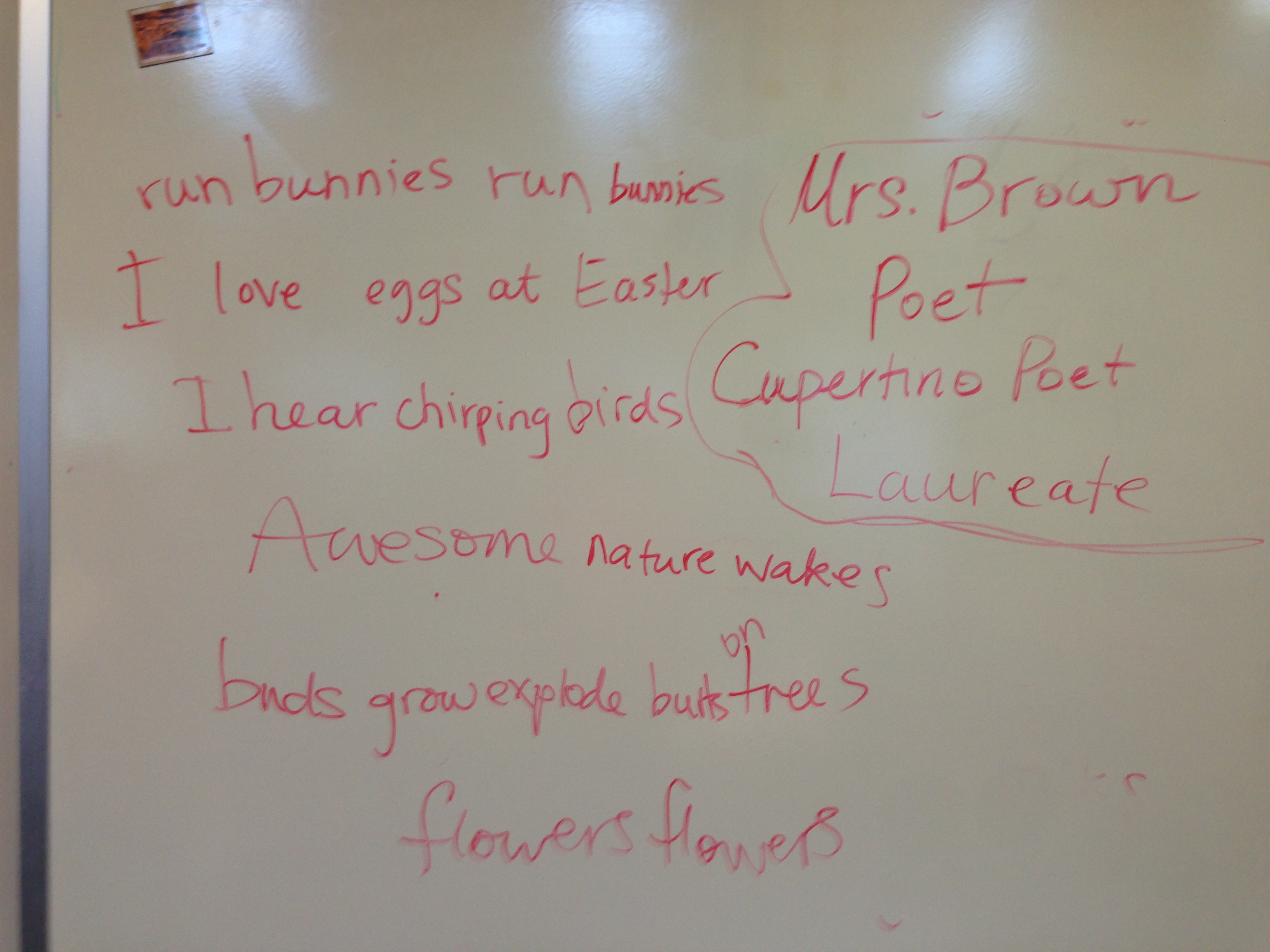
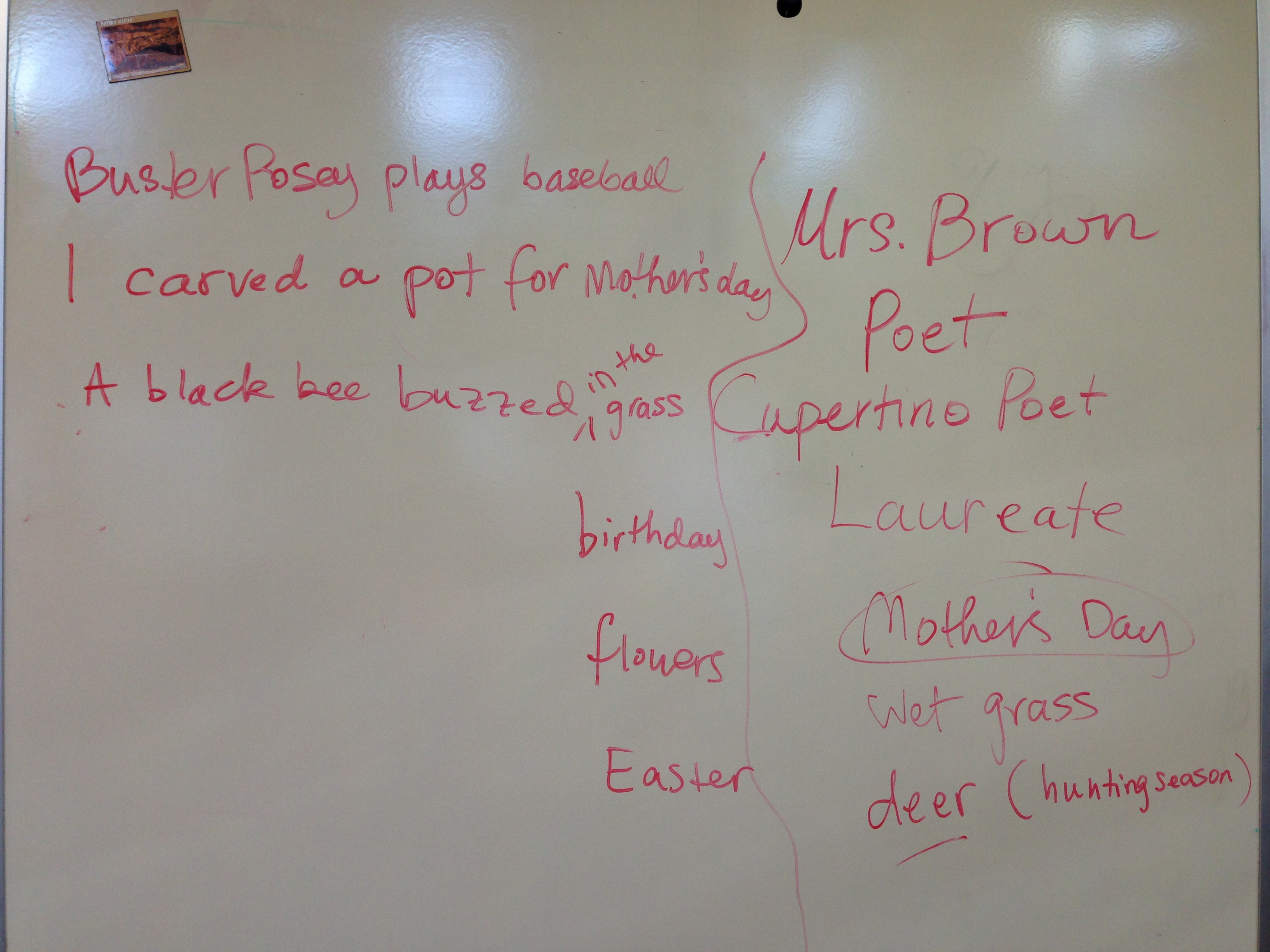
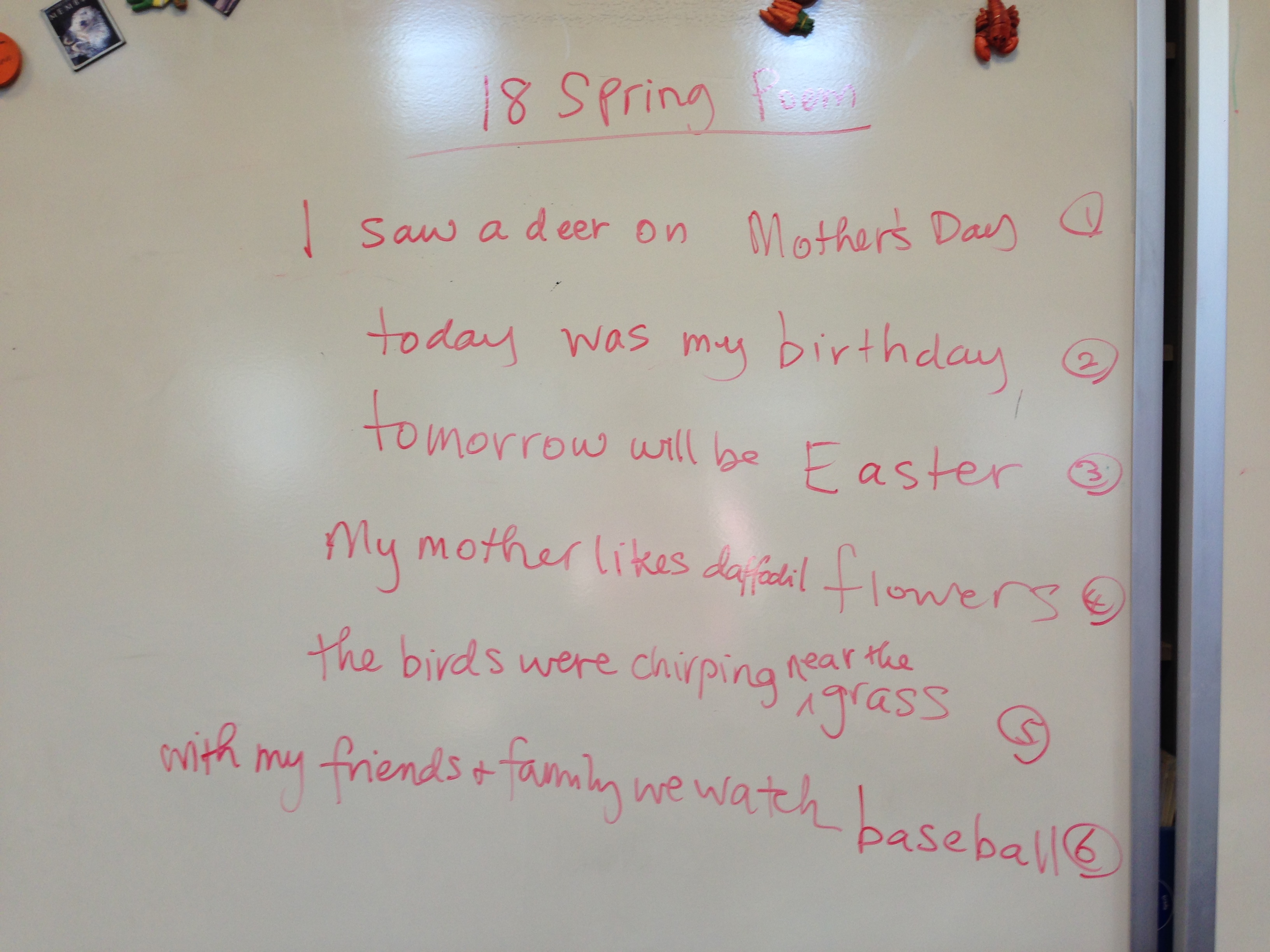
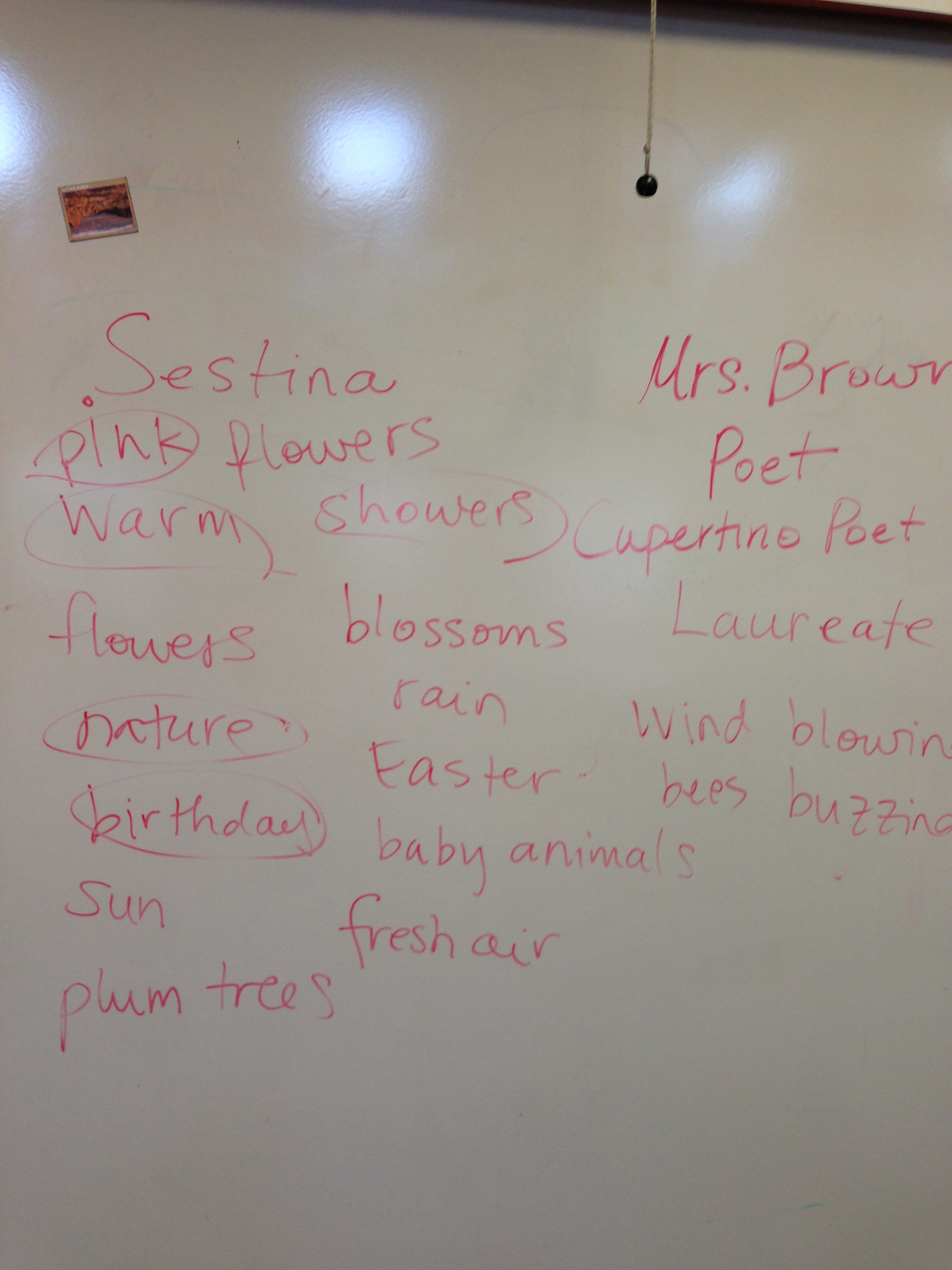
Then I explained that I wanted to write a sestina with them about spring. We discussed how many kids had celebrated Holi, how many celebrate Easter. The kids knew all about St. Patrick’s Day, President Lincoln’s birthday, and April Fools Day. Some remembered Pi Day. We talked about baby animals, the flowers and trees and the smells and the warm air.  I pushed them to remember details from their own houses and gardens and not just “greeting card” images and ideas.

Discovery Day 3

In each class we wrote at least one stanza of a sestina. Here are some photos I took from the whiteboards. I hope to get some of these poems typed up and shared back with the students. I think at least one teacher was going to encourage the students to write the rest of the long sestina poem. Wouldn’t that be grand?

Discovery Day 1 Discovery Day 2  Discovery Day 4 Discovery Day 5 Discovery Day 7 Discovery Day 8 Discovery Day 9

I hope they ask me again next year.

Photos from Silicon Valley Reads Art & Immigration Event

Earlier in March, I had the honor and pleasure of reading with my friends, past and present Poets Laureate in Santa Clara County, and wonderful wonderful teen poets. The students read their poems on the theme of immigration — some of them related their own experiences of home, experiences of their families, or imagined experiences.

I read a poem I wrote years ago, “Samarth’s Mom” — an observation of a young Indian mother with her children at our local elementary school. You can read it at this link, in the online journal Convergence.

Here are some photos from that evening.

Immigrant Reading 6

The event took place at the lovely Mexican Heritage Plaza in San Jose.

Immigrant Reading 5

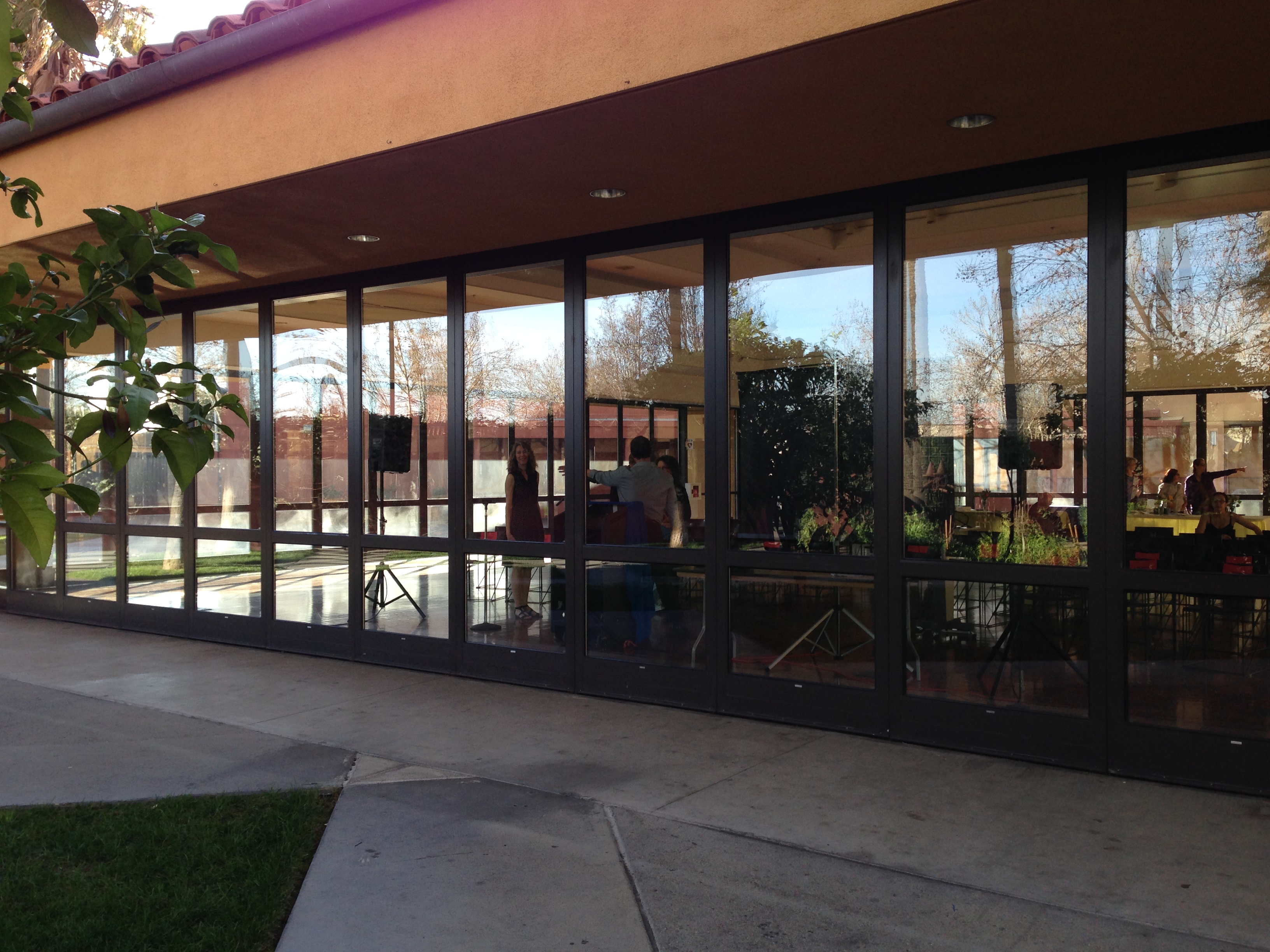
Waiting outside the MHP auditorium. If you look closely, you can see Erica Goss waving from inside the window!

Immigrant Reading 3

Past Poets Laureate of Santa Clara County, Nils Peterson and Sally Ashton, at their book signing table.

Immigrant Reading 4

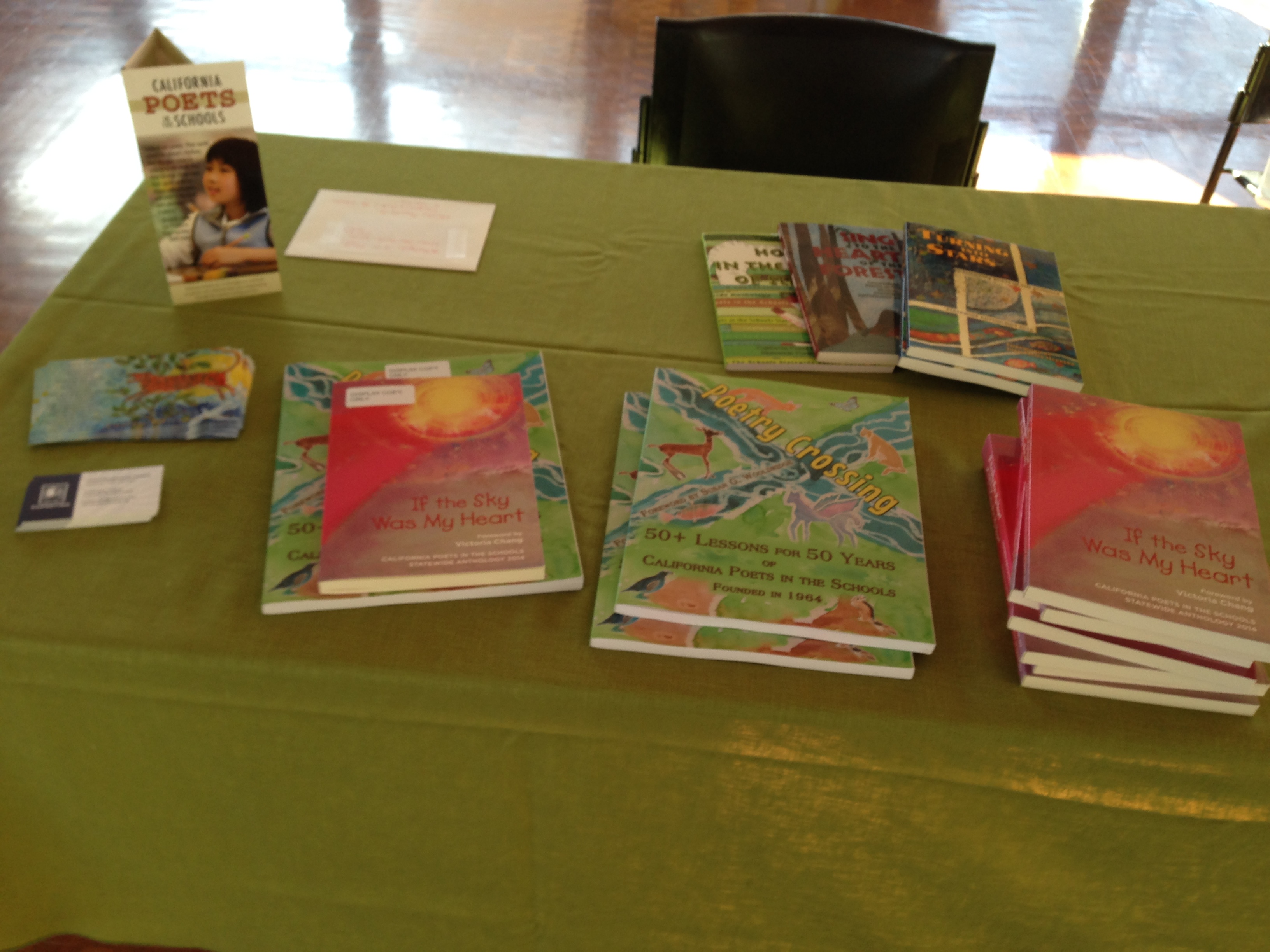
Not having my own poetry books (yet!) I sold anthologies and lesson plan books for California Poets in the Schools.

Immigrant Reading 1

The student poets were each paired with one adult. Here I am with my delightful Saratoga High School senior. (Name pending permissions.)